Sound Money Project
The Sound Money Project was founded in January 2009 to conduct research and promote awareness about monetary stability and financial privacy. The project is comprised of leading academics and practitioners in money, banking, and macroeconomics.It offers regular commentary and in-depth analysis on monetary policy, alternative monetary systems, financial markets regulation, cryptocurrencies, and the history of monetary and macroeconomic thought.
For the latest on sound money issues, subscribe to our working paper series and follow along on Twitter or Facebook.
Advisory Board: Steve H. Hanke, Jerry L. Jordan, Lawrence H. White
Director: William J. Luther
Senior Fellows: Nicolás Cachanosky, Gerald P. Dwyer, Joshua R. Hendrickson, Thomas L. Hogan, Gerald P. O’Driscoll, Jr., Alexander W. Salter
Fellows: J.P. Koning
-
Just Say No (to the Petro)
Venezuela recently launched its own cryptocurrency. If recent history is any indicator, investors should steer clear.

-
Money as a Social Institution
If the language of commerce is quid pro quo, money is its grammar.
-
Economists Are Not Like Doctors
If macroeconomists do not want to take responsibility for crises, then they should refrain from endorsing unstable monetary institutions.
-
Monetary Policy and Trade Wars
A trade war would not only make the United States less productive. It would also make monetary policy more difficult.
-
Modeling Money as a Unit of Account
In a recent Econometrica article, Matthias Doepke and Martin Schneider model money as a standardized unit of account.
-
Hawtrey, Cassel, and the Development of Hayek’s Monetary Theory
The inability of Hayek and other scholars to join forces against Keynes’s supposed innovations arguably contributed to Keynes’s victory among academics in the immediate post-war period.
-
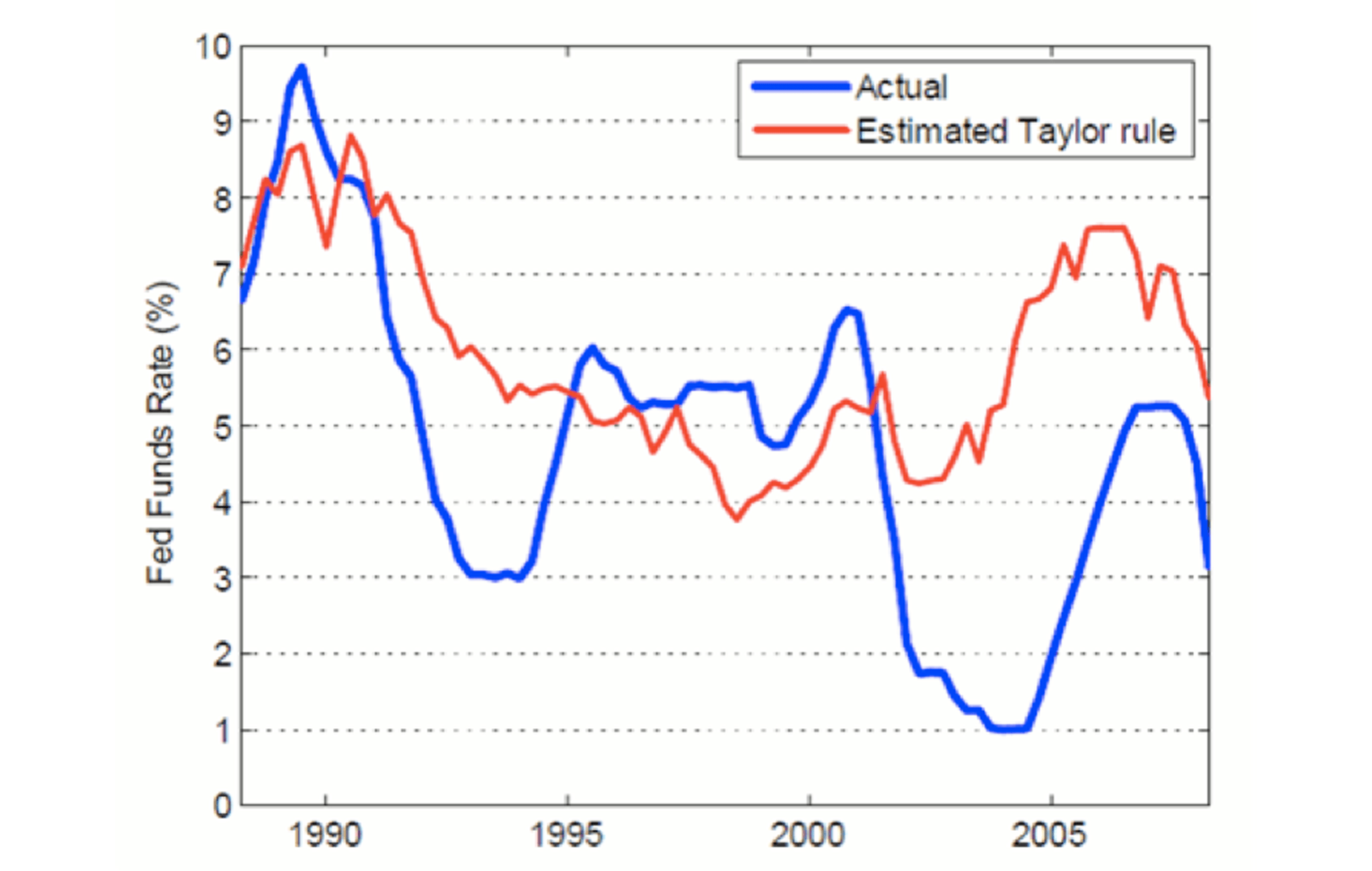
Case Study: The 2007-8 Financial Crisis
Through incentive and information problems, the Fed–rather than free markets–caused the 2007-8 financial crisis.
-
-
Market Money and the Rationale for Central Banks
Financial markets naturally promote monetary equilibrium. At their best, central banks attempt to emulate the functions of financial markets.
-
Working Paper Series
The first two issues of the new AIER Sound Money Project Working Paper Series are available online.