Sound Money Project
The Sound Money Project was founded in January 2009 to conduct research and promote awareness about monetary stability and financial privacy. The project is comprised of leading academics and practitioners in money, banking, and macroeconomics.
It offers regular commentary and in-depth analysis on monetary policy, alternative monetary systems, financial markets regulation, cryptocurrencies, and the history of monetary and macroeconomic thought.
For the latest on sound money issues, subscribe to our working paper series and follow along on Twitter or Facebook.
Advisory Board: Steve H. Hanke, Jerry L. Jordan, Lawrence H. White
Director: William J. Luther
Senior Fellows: Nicolás Cachanosky, Gerald P. Dwyer, Joshua R. Hendrickson, Thomas L. Hogan, Gerald P. O’Driscoll, Jr., Alexander W. Salter
Fellows: J.P. Koning
|
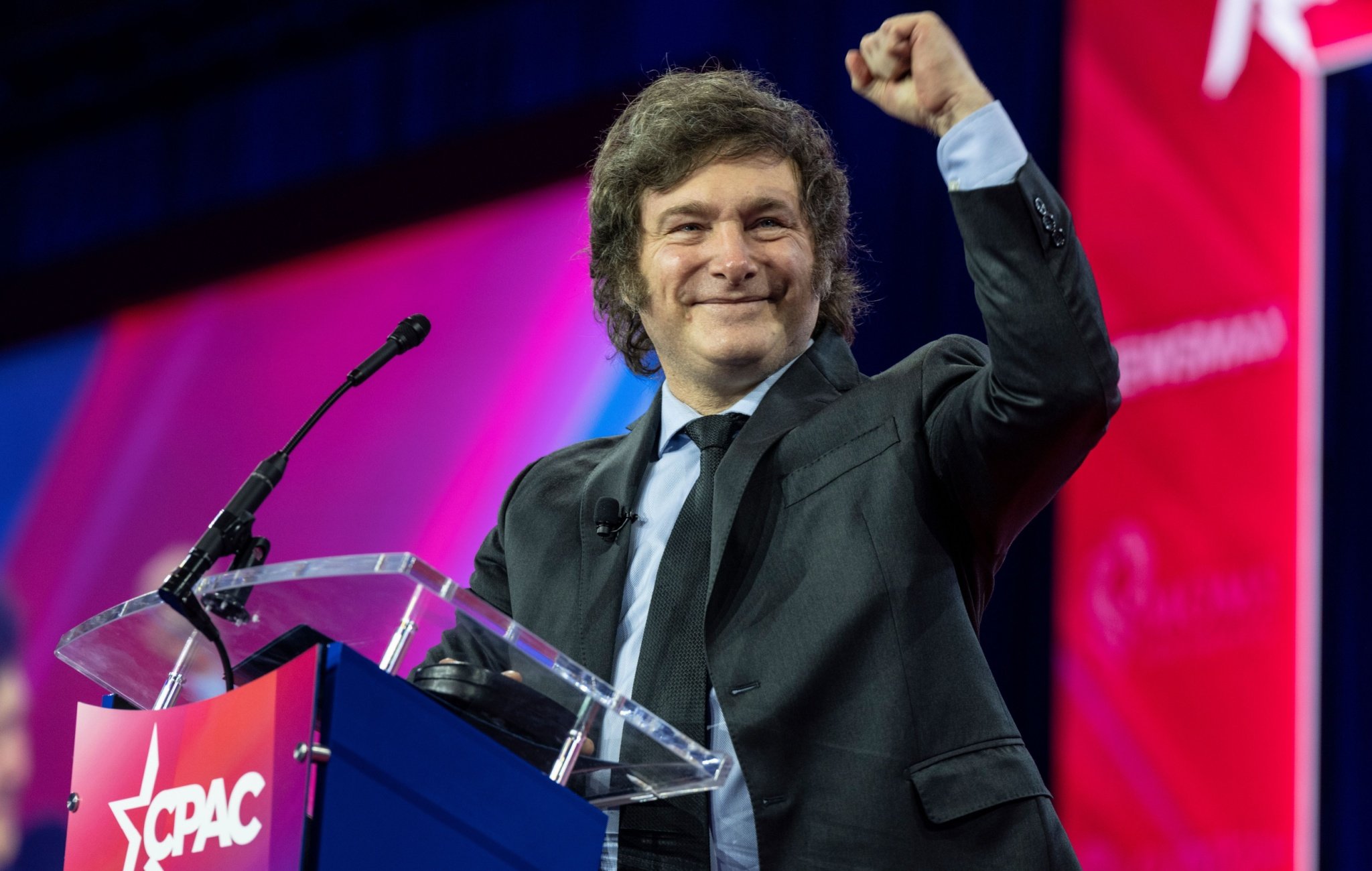
Milei’s New Monetary Regime for Argentina
“Despite its controversial nature, full dollarization remains the monetary regime with the most potential for long-term stability in Argentina. It offers a credible pathway to restore confidence and put the country back on a sustainable economic trajectory.” ~Nicolás Cachanosky

|
Consumer Prices Decline in June
“Interest rates tell us monetary policy is very tight. The money supply tells us monetary policy is somewhat tight. Will the Fed interpret recent data as a signal it’s time to pivot?” ~Alexander W. Salter
|
Mortgage Rates Are Likely To Decline In the Near Future
“Not that long ago, the real rate on Treasury bills was negative. The real rate on Treasury securities is temporarily high due to the Federal Reserve’s policy goal of lowering the inflation rate.” ~Gerald P. Dwyer
|
Prices Decline in May, Monetary Policy Tightens
“Prices today are 8.9 percentage points higher than they would have been had the Fed hit its 2-percent inflation target since January 2020.”
|
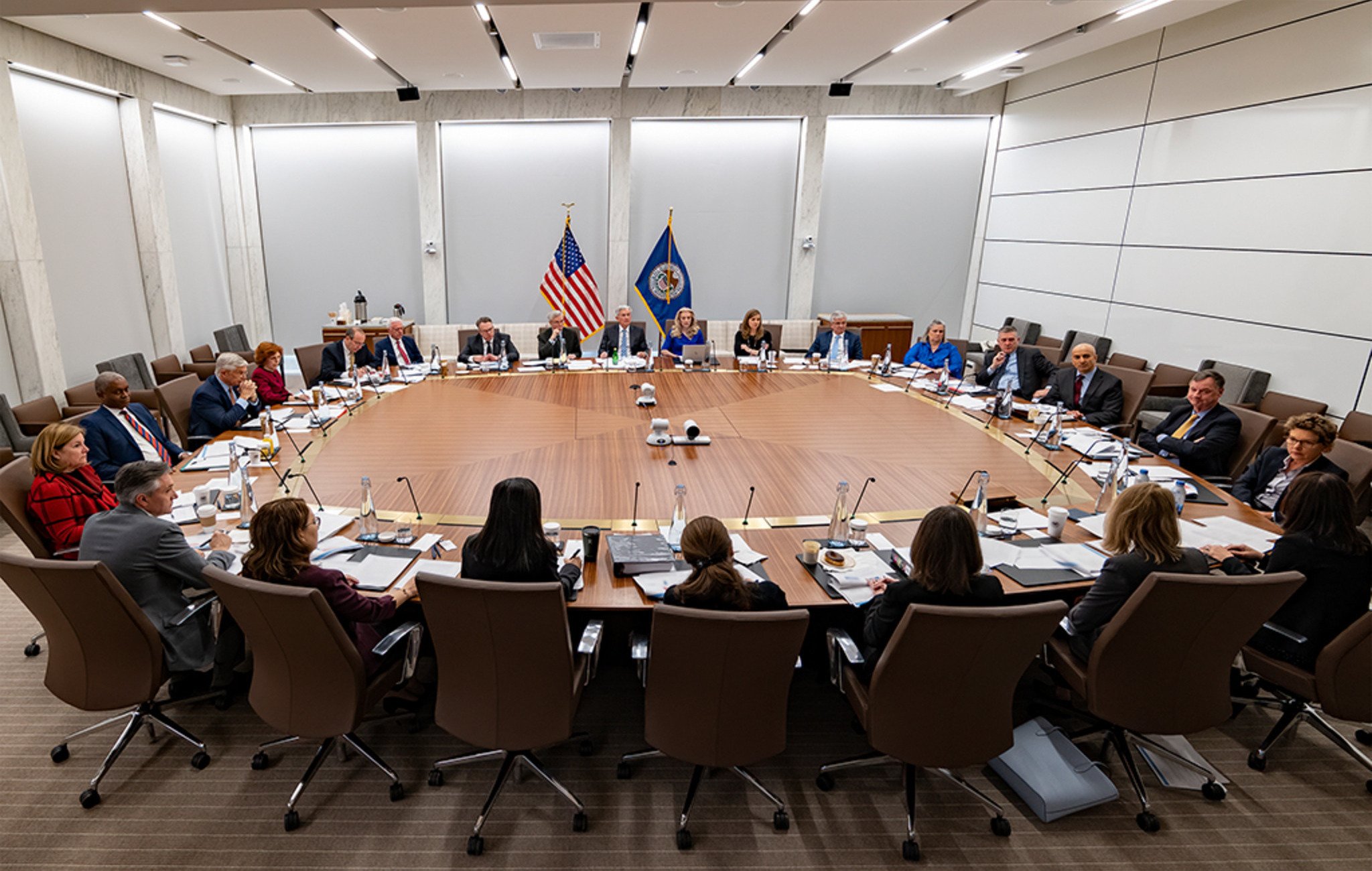
FOMC Holds Rates, Revises Forward Guidance
“Just as the FOMC was slow to adjust policy when inflation surged in late 2021, it will be slow to adjust policy as inflation returns to and falls below its target in 2024.” ~William J Luther
|
Prices Stable in May: Time to Cut Rates?
“M2, the most commonly cited measure of the money supply, is up 0.53 percent from a year ago. Since real income and population are growing faster than this, current M2 growth also suggests money is tight. But this is speculative.” ~Alexander W. Salter
|
Politicizing Monetary Policy Won’t Fix the Fed’s Failings
“Even if one thinks Trump is well-suited to make interest rate decisions (and there is little reason to think he is), it does not follow that Trump’s proposed solution would improve monetary policy.” ~Nicolás Cachanosky
|
Inflation Continued to Decline in April
“While inflation is declining once more, members of the Federal Open Market Committee (FOMC) have suggested rates would need to remain high for longer than they had previously projected.” ~William J. Luther
|
The Demise of the Dual Banking System
“The issue comes down to whether a state-chartered bank that fulfills the legal requirements for a master account can be denied one by the Federal Reserve.” ~Gerald P. Dwyer
|
April’s Disinflation Delivery
“In the first quarter of 2024, the US economy expanded at a rate of 1.6 percent per year. That’s hardly an impressive growth rate, but it’s significantly faster than money supply growth. Money looks somewhat tight.” ~Alexander W. Salter
|
Is The Fed Manipulating the Market?
“We cannot just look at the Fed’s target rate to determine whether it is manipulating the market. We must consider its target rate relative to the natural rate.” ~Bryan Cutsinger
|
Inflation Declined in March, But Remains High
“Market participants continue to expect the Fed will cut its federal funds rate target this year — just not anytime soon.” ~ William J. Luther