
Research Hub
Our research encompasses a variety of subjects, including monetary economics, political economy, and defending freedom against collectivism.
-

How Does the Federal Reserve Set Interest Rates?
Introduction People in financial markets and in the media regularly track Federal Reserve announcements and forecast what the Fed’s interest rate target will be in the future. But when people […]
-

Which Crypto Tokens are Securities?
This Paper proposes a simple way to differentiate which crypto tokens should be treated as securities.
-

Rethinking the Fed’s Framework: Lessons from the Post-Pandemic Inflation
The paper evaluates alternative frameworks and argues that the Fed should adopt either a nominal spending target or a symmetrical average inflation target.
-

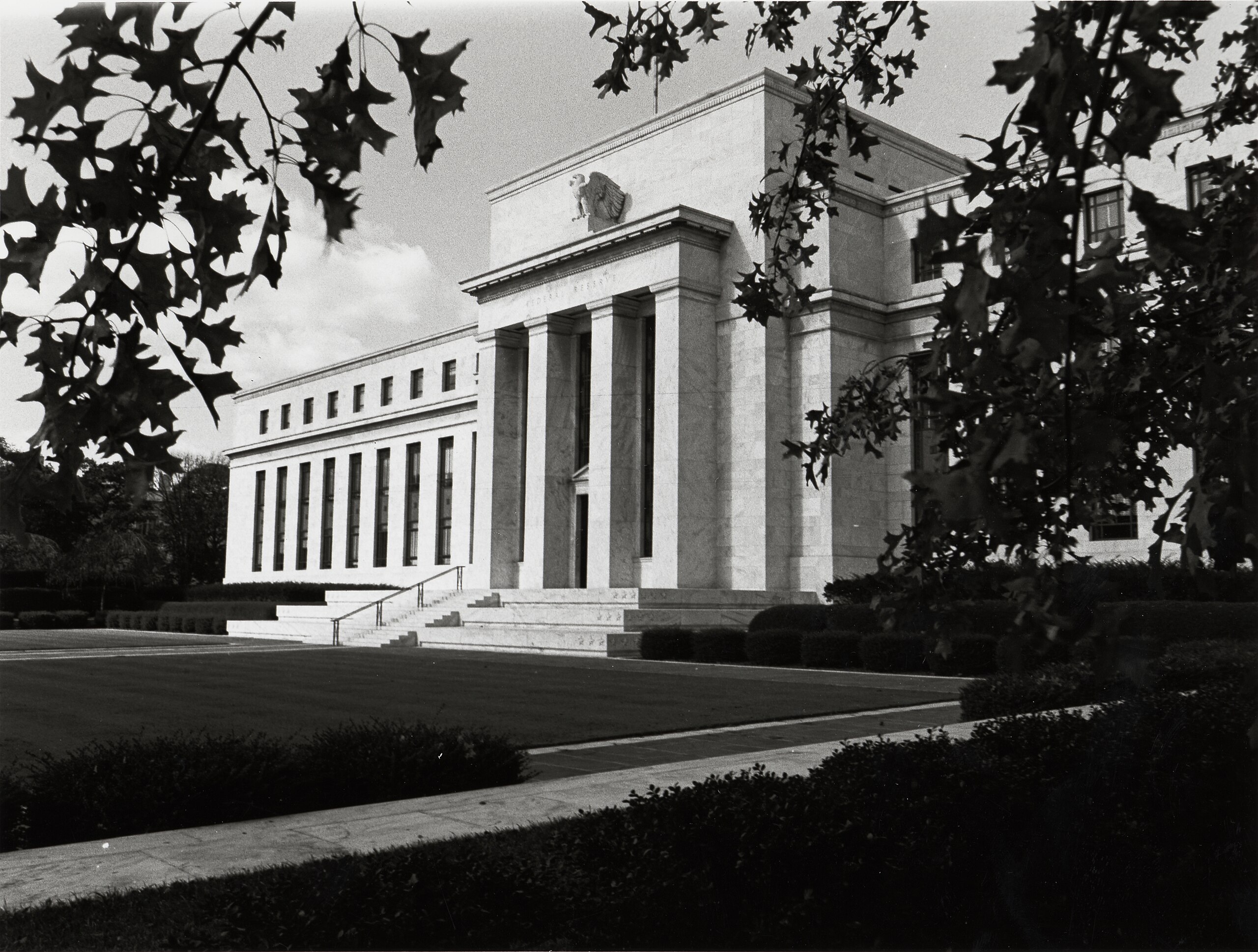
What is Central Bank Independence?
The explainer defines central bank independence, describes its theoretical desirability, and reviews classic and contemporary studies on how central bank independence affects key macroeconomic variables.



-

Economist and Revolutionary – Adam Smith and 1776
Samuel Gregg examines Adam Smith’s analysis of the economic drivers behind the American Revolution. He highlights Smith’s revolutionary solutions for resolving the conflict and concludes by applying these enduring insights to contemporary global issues.
-

Permission to Earn a Living: History, Economics, and the Ethics of Occupational Licensing
Where occupational licensing exceeds genuine public safety needs, it substitutes centralized judgment and political privilege for the preferences of consumers and workers.
-
The Economics of Zoning, Explained
What are zoning laws, how do they work, and what are their economic effects?
-

A Brief History of Federal Transfers to the States
This explainer traces the evolving, mutually dependent relationship between the federal government and the states through four pivotal eras of fiscal transfers: the Antebellum Land Grants, the Civil War, the New Deal, and the Great Society.




-
Permission to Earn a Living: History, Economics, and the Ethics of Occupational Licensing
Where occupational licensing exceeds genuine public safety needs, it substitutes centralized judgment and political privilege for the preferences of consumers and workers.
-
Ending the Era of Energy Favoritism: How Technology-Neutral Policy Can Unlock the US Power Grid
The US energy system should shift from a hodgepodge of politically favored technologies toward a market-driven portfolio that is cleaner, more reliable, and increasingly affordable.
-
The Economics of Zoning, Explained
What are zoning laws, how do they work, and what are their economic effects?
-

The Economic Tradeoffs of Property Tax Reform
How do property taxes work in the United States, and what are their economic consequences?


-
Permission to Earn a Living: History, Economics, and the Ethics of Occupational Licensing
Where occupational licensing exceeds genuine public safety needs, it substitutes centralized judgment and political privilege for the preferences of consumers and workers.
-
The Economics of Zoning, Explained
What are zoning laws, how do they work, and what are their economic effects?
-
A Brief History of Federal Transfers to the States
This explainer traces the evolving, mutually dependent relationship between the federal government and the states through four pivotal eras of fiscal transfers: the Antebellum Land Grants, the Civil War, the New Deal, and the Great Society.
-

Mises and Hayek: Two Complementary Critiques of Central Planning
Economists Ludwig von Mises and Friedrich Hayek explain why the promises of central planning are fundamentally unworkable insofar as no central authority can replicate the rational calculation of market prices or the coordination of dispersed knowledge.

AIER Papers

Sound Money Project






Public Choice & Public Policy Project
Our scholars offer regular commentary and in-depth analysis on public policy using the tools of Public Choice Economics. Sign up for the newsletter or learn more about the project.
By submitting this form, you are consenting to receive marketing emails from: . You can revoke your consent to receive emails at any time by using the SafeUnsubscribe® link, found at the bottom of every email. Emails are serviced by Constant Contact